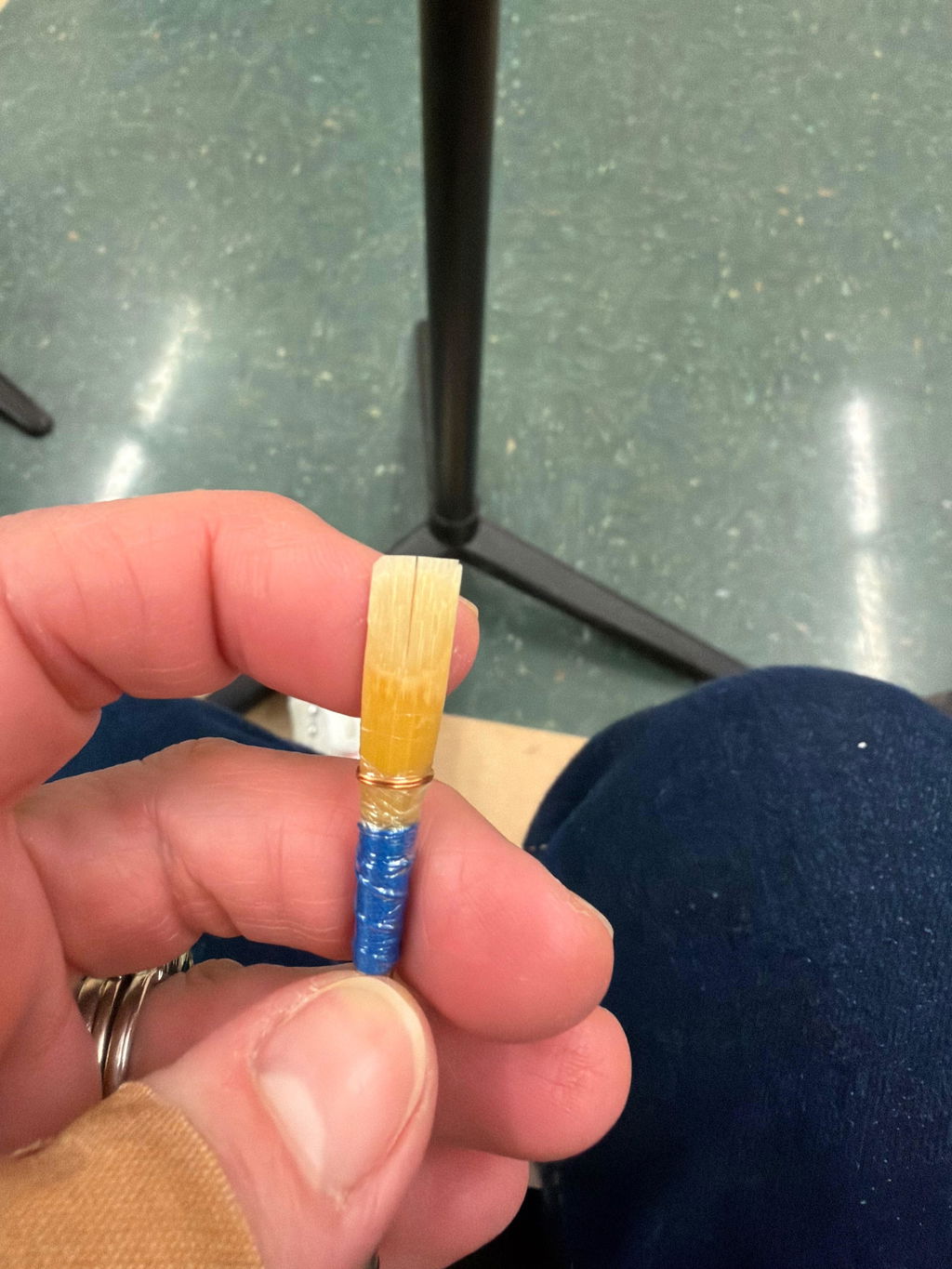
How to Care for Your Oboe or Bassoon Reed
Why Reed Care Matters
A reed is a living material — it's made from cane, which continues to respond to moisture, temperature, and handling long after it's been made. Treat it well and it will reward you with consistent tone and response. Neglect it and even the finest reed will deteriorate quickly.
The good news is that good reed care takes only a few minutes and quickly becomes second nature.
Soaking Your Reed
Before playing, always soak your reed in clean water for 1–3 minutes. This softens the cane and allows it to vibrate freely. Under-soaked reeds feel stiff and unresponsive; over-soaked reeds can become waterlogged and lose their shape.
- Use a small cup or reed soaker — avoid soaking in your mouth, as saliva contains enzymes that break down cane over time.
- Room-temperature water is ideal. Avoid hot water, which can warp the reed.
- For oboe reeds, 1–2 minutes is usually sufficient. Bassoon reeds, being larger, often benefit from a full 2–3 minutes.
After Playing: The Most Important Step
What you do after playing has the biggest impact on reed longevity. Follow these steps every time:
- Shake out excess moisture. Gently shake the reed to remove water from inside the tube.
- Wipe the blades. Use a soft, lint-free cloth to gently wipe the outside of the blades. Never scrub — the tip is extremely delicate.
- Allow to dry fully before storing. This is critical. Storing a damp reed in a closed case encourages mould and warping. Leave it on a reed drying board or holder for at least 20–30 minutes before putting it away.
Our Oboe Reed Drying Boards and Bassoon Reed Drying Boards are designed specifically for this — they hold the reed securely while allowing air to circulate around the blades.
Storing Your Reeds
A good reed case protects your reeds from physical damage and helps them dry evenly between sessions. Look for a case that:
- Holds reeds securely without pressing on the blades
- Allows some airflow (fully airtight cases can trap moisture)
- Protects the tip from knocks and pressure
Browse our range of Oboe Reed Cases and Bassoon Reed Cases to find the right option for your needs — from simple travel cases to multi-reed display cases.
Rotating Your Reeds
Professional players rarely rely on a single reed. Instead, they rotate through a selection of 3–6 reeds, playing each one in turn. This approach has two benefits:
- Each reed gets time to dry fully between sessions, extending its life.
- You always have a broken-in, reliable reed ready to play — essential for performances and rehearsals.
If you're building up a rotation, our Oboe & Bassoon Reed Kits offer a cost-effective way to start with several reeds at once.
Common Mistakes to Avoid
- Soaking in saliva. It feels convenient, but saliva degrades cane faster than water. Use a cup.
- Storing a wet reed. The single most common cause of mould and warped reeds. Always dry before storing.
- Touching the tip. The tip of a reed is only a fraction of a millimetre thick. Even gentle finger pressure can crack or distort it.
- Leaving reeds in extreme temperatures. Don't leave your reed case in a hot car or a cold boot. Cane is sensitive to temperature extremes.
- Using the same reed for months. Even with perfect care, reeds have a lifespan. Most professional players retire a reed after 4–8 weeks of regular use.
When to Replace a Reed
Even the best-cared-for reed will eventually need replacing. Signs it's time for a new one include:
- Tone has become thin, buzzy, or unfocused despite good technique
- The reed no longer responds consistently across registers
- Visible mould, cracks, or warping on the blades
- The reed feels significantly harder or softer than when new
When you're ready to restock, browse our full range of oboe reeds and bassoon reeds.
A Note on Reed Making
Some players eventually move into making their own reeds — a rewarding skill that gives you complete control over your sound. If you're curious, take a look at our Oboe Reed Making Supplies to see what's involved.