Oboe Reeds vs Bassoon Reeds: What's the Difference?
Both Double Reeds — But Very Different
Oboe and bassoon reeds belong to the same family — the double reed — meaning two blades of cane are bound together and vibrate against each other to produce sound. But beyond that shared principle, they differ considerably in size, construction, scrape style, and how they interact with the player's embouchure.
Understanding these differences helps players make better purchasing decisions, and gives non-players a clearer picture of why these instruments sound the way they do.
Size and Construction
Oboe Reeds
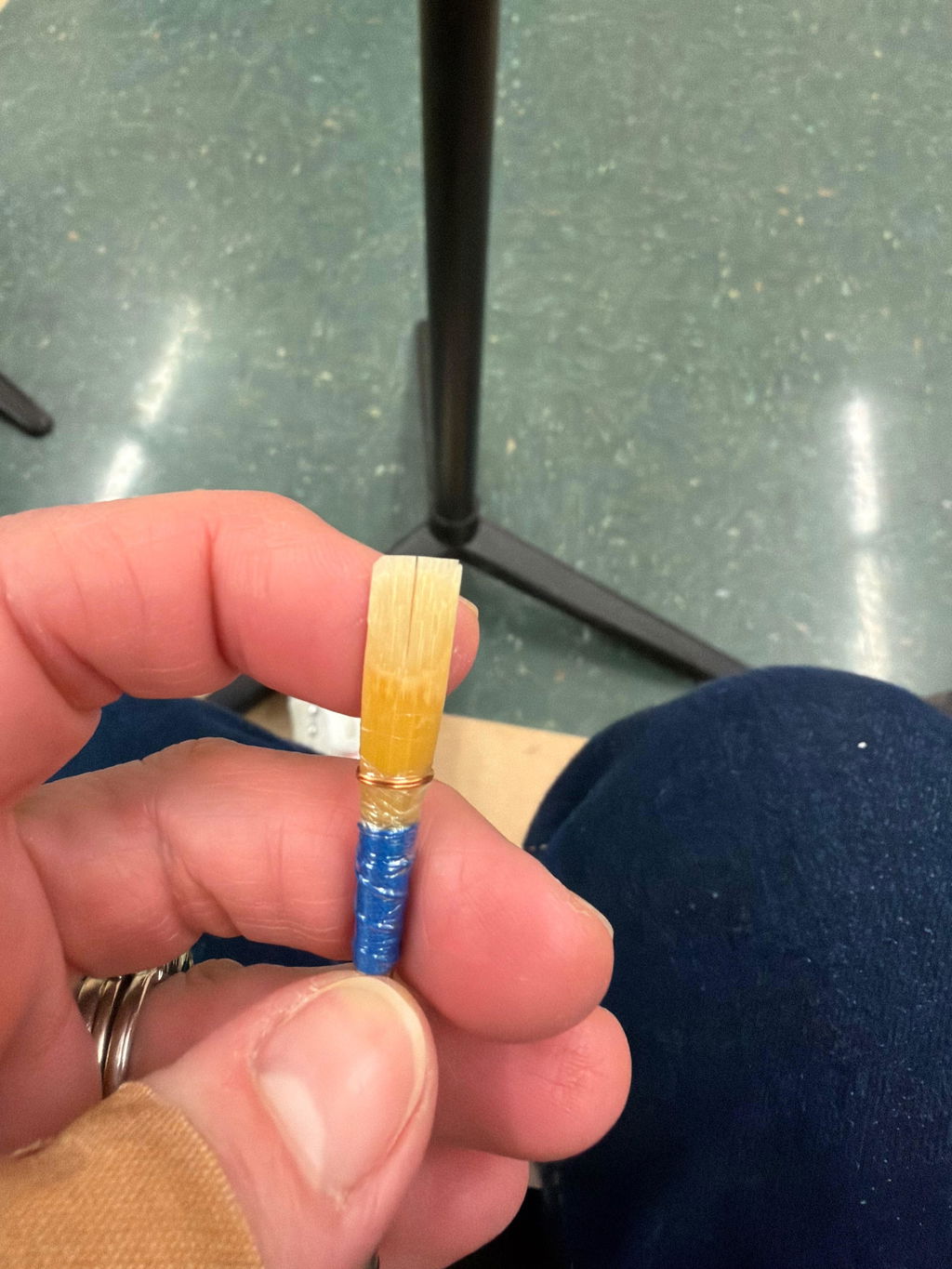
Oboe reeds are small — typically around 70mm in total length, with a blade length of roughly 25–28mm. They're made from a single piece of cane that is folded and tied onto a small metal staple (tube). The two blades are then shaped and scraped to the correct profile.
Because of their small size, oboe reeds are highly sensitive to embouchure pressure. Small changes in lip position or air support have a pronounced effect on pitch and tone — which is part of what makes the oboe both expressive and demanding to play.
Bassoon Reeds
Bassoon reeds are considerably larger — around 130mm in total length, with blade lengths of 55–60mm. Rather than a folded piece of cane on a staple, bassoon reeds are made from two separate pieces of cane (called gouged, shaped, and profiled cane, or GSP cane) that are bound together onto a metal bocal tube.
The larger surface area means bassoon reeds respond differently to embouchure pressure — they require more air volume but are generally considered slightly more forgiving in terms of pitch sensitivity than oboe reeds.
Scrape Styles
The "scrape" refers to how the cane is thinned on the blades to allow vibration. Both instruments have distinct traditions:
Oboe: French vs German Scrape
- French scrape (also called long scrape): The cane is thinned along most of the blade length. This is the standard in the UK, France, and most of the world. It produces a flexible, expressive tone.
- German scrape (also called short scrape): The cane is thinned only at the tip, with a distinctive "shoulder" left partway down the blade. Common in Germany and Austria. Produces a darker, more covered tone.
Most reeds in our Oboe Reeds collection are French scrape unless otherwise stated, reflecting the UK standard.
Bassoon: Regional Variations
Bassoon reed scrape also varies by tradition — German, French, and American styles each have distinct profiles that affect tone colour and resistance. Most professional bassoonists in UK orchestras use reeds in the German or "international" style.
Explore our Bassoon Reeds collection for reeds from makers across these traditions.
Tone Character
The size and construction differences produce distinctly different sounds:
- Oboe reeds produce the oboe's characteristic bright, penetrating tone — capable of cutting through an orchestra and carrying great expressive nuance.
- Bassoon reeds contribute to the bassoon's warmer, darker, more baritone quality — rich in the lower register and surprisingly agile in the upper.
In both cases, the reed is the primary driver of tone quality. A well-made reed from quality cane will outperform a poorly made one regardless of price.
Lifespan and Maintenance
Both oboe and bassoon reeds require similar care: soaking before use, drying fully after playing, and storing in a proper case. However, because oboe reeds are smaller and more delicate, they can be slightly more vulnerable to tip damage.
For storage, see our Oboe Reed Cases and Bassoon Reed Cases. For drying between sessions, our Oboe Reed Drying Boards and Bassoon Reed Drying Boards are ideal.
Making Your Own Reeds
Many serious players eventually learn to make their own reeds — a skill that takes time to develop but offers complete control over tone and response. Both oboe and bassoon reed making require specialist tools and materials.
If you're interested in getting started, browse our Oboe Reed Making Supplies or explore our full range of bassoon reed making tools including Reed Making Machines and Reed Making Kits.
Not Sure Which Reed to Buy?
If you play oboe, start with our Oboe Reeds collection. Bassoon players can use our Bassoon Reed Finder to narrow down the right reed for your level and playing style. And if you're buying for both instruments, our Oboe & Bassoon Reed Kits offer great value.